

01
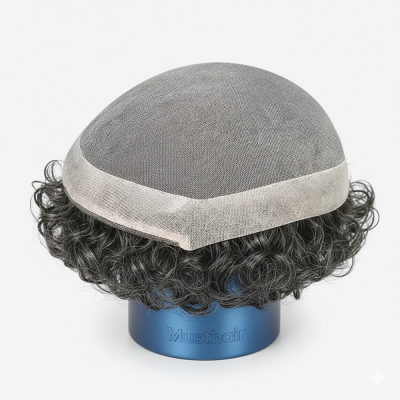
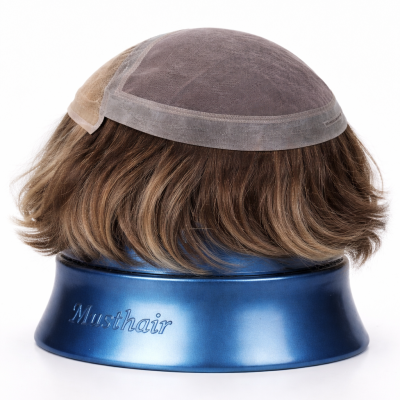
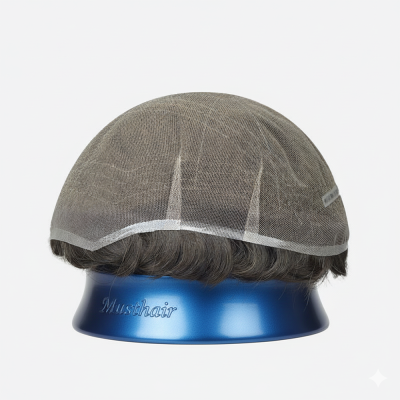
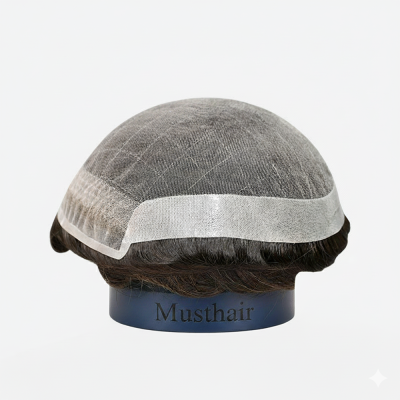
Base
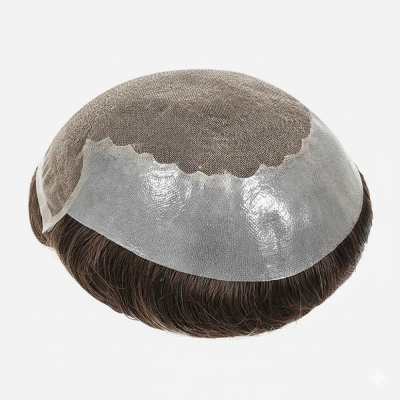
The thin surface to which the hair is attached. It is the component that most strongly affects appearance, breathability, durability, and maintenance.

Musthair Knowledge Center
What is a hair system, how does it work, and what are the differences between skin, lace, mono, and hybrid bases? Discover the essential facts you should know before purchasing, explained clearly and reliably.
Essential Information
A hair system is a non-surgical, customizable hair solution created by attaching human hair or selected hair fibers to a thin base, which is then secured over the area of hair loss using specialized tape or adhesive.
The thin surface to which the hair is attached. It is the component that most strongly affects appearance, breathability, durability, and maintenance.
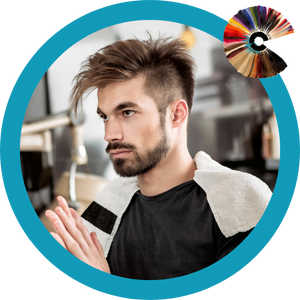
Color, density, wave, and length are selected to blend naturally with the hair on the sides and back of your head.
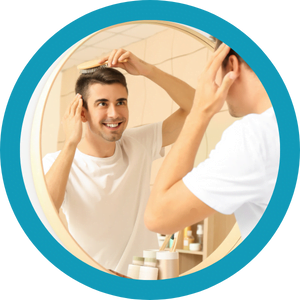
The base is secured to the scalp with suitable tape or adhesive. The personalized look is completed after cutting and styling.
Base Types
Each base has different strengths. Filter the cards below according to your priorities.
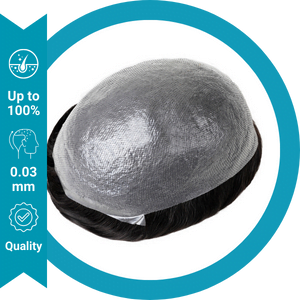
A surface that closely resembles the scalp
The thin polyurethane surface creates a scalp-like appearance. It is an especially strong option for short hairstyles and a defined front hairline.
Fine mesh structure and a natural hairline
The fine mesh structure allows air to circulate. It stands out for active users who want lightness, comfort, and a natural front hairline.
Durability and support for higher density
Monofilament mesh is stronger than lace and can support higher hair densities. It is often combined with lace or skin at the front.
The benefits of different materials combined
By combining lace, skin, and mono materials in different areas, a hybrid base balances natural appearance, comfort, maintenance, and durability.
Quick Comparison
The ratings indicate general characteristics. Base thickness, model design, hair density, and usage can affect the final result.
| Feature | Skin | Lace | Mono | Hybrid |
|---|---|---|---|---|
| Natural scalp appearance | ||||
| Breathability | ||||
| Durability | ||||
| Ease of maintenance | ||||
| Best suited user profile | Short styles and a natural scalp effect | Active lifestyles and hot climates | Durability and higher density | Balanced, versatile use |
The ● symbols are not a product guarantee or definitive performance rating; they are provided only to compare the general characteristics of each base type.
Quick Selection Guide
Answer three short questions. The result does not replace a professional assessment, but it can provide a useful starting point.
Once you complete your selections, the base type that best matches your needs will appear here.
Factors That Influence the Right Choice
A natural and comfortable result comes from correctly planning the base, color, density, size, hairline, and professional cut together.
Hot weather and an active lifestyle may increase the need for a highly breathable base.
If you style your hair back, the thinness of the front base and the visibility of the knots become more important.
Not every base can support every density equally. The desired style and the strength of the base should be evaluated together.
How often you remove, clean, and reapply your system shapes your expectations for convenience and durability.
Common Misconceptions
A thinner base can improve realism, but it also increases delicacy. The best choice is the right balance for the way you use your system.
Mono or hybrid constructions can look highly natural with the right front design, density, and haircut.
Skin tone, hair color, head size, density, and haircut affect the result differently for each person. Customization is essential.
Frequently Asked Questions
Clear, concise answers to essential questions.
Musthair Expert Support
Let us evaluate your hairstyle, perspiration level, maintenance routine, and expectations for a natural look together, so you can choose the right hair system with greater confidence.
